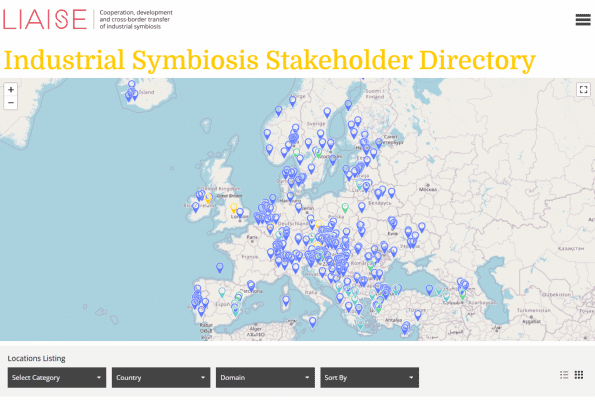
While LIAISE connects Industrial Symbiosis stakeholders, INSET empowers them with the skills and training needed to turn collaboration into real circular solutions.
Across Europe, Industrial Symbiosis (IS) is increasingly recognised as a powerful driver of the Circular Economy, enabling companies to reduce waste, cut emissions and improve competitiveness by transforming by-products into valuable resources. However, many symbiotic opportunities remain untapped due to limited awareness, skills gaps and coordination challenges.
Initiatives such as the LIAISE COST Action address one of these barriers by connecting stakeholders through innovative tools like the Industrial Symbiosis Stakeholder Directory, a digital platform that helps companies, researchers and policymakers identify potential synergies and collaborate across sectors and regions.
Yet, connections alone are not enough. Turning collaboration into real Industrial Symbiosis projects requires skills, knowledge and capacity building. This is where the INSET project plays a complementary role.
INSET equips enterprises, public authorities, Vocational Education and Training (VET) providers and innovation agents with the competences needed to implement Industrial Symbiosis in practice. By focusing on management, coordination and transversal skills, INSET supports stakeholders in moving from initial contact to effective collaboration.
Funded by the Erasmus+ Programme, INSET develops a capacity-building skills map, a digital training toolkit, an open-access Observatory on Industrial Symbiosis, and a Policy Brief aimed at reducing regulatory and operational barriers to IS adoption.
Together, initiatives like LIAISE and INSET strengthen Europe’s Industrial Symbiosis ecosystem: LIAISE connects stakeholders, while INSET empowers them with the skills to act. This combined approach accelerates the transition towards a more competitive, resilient and circular European economy.